

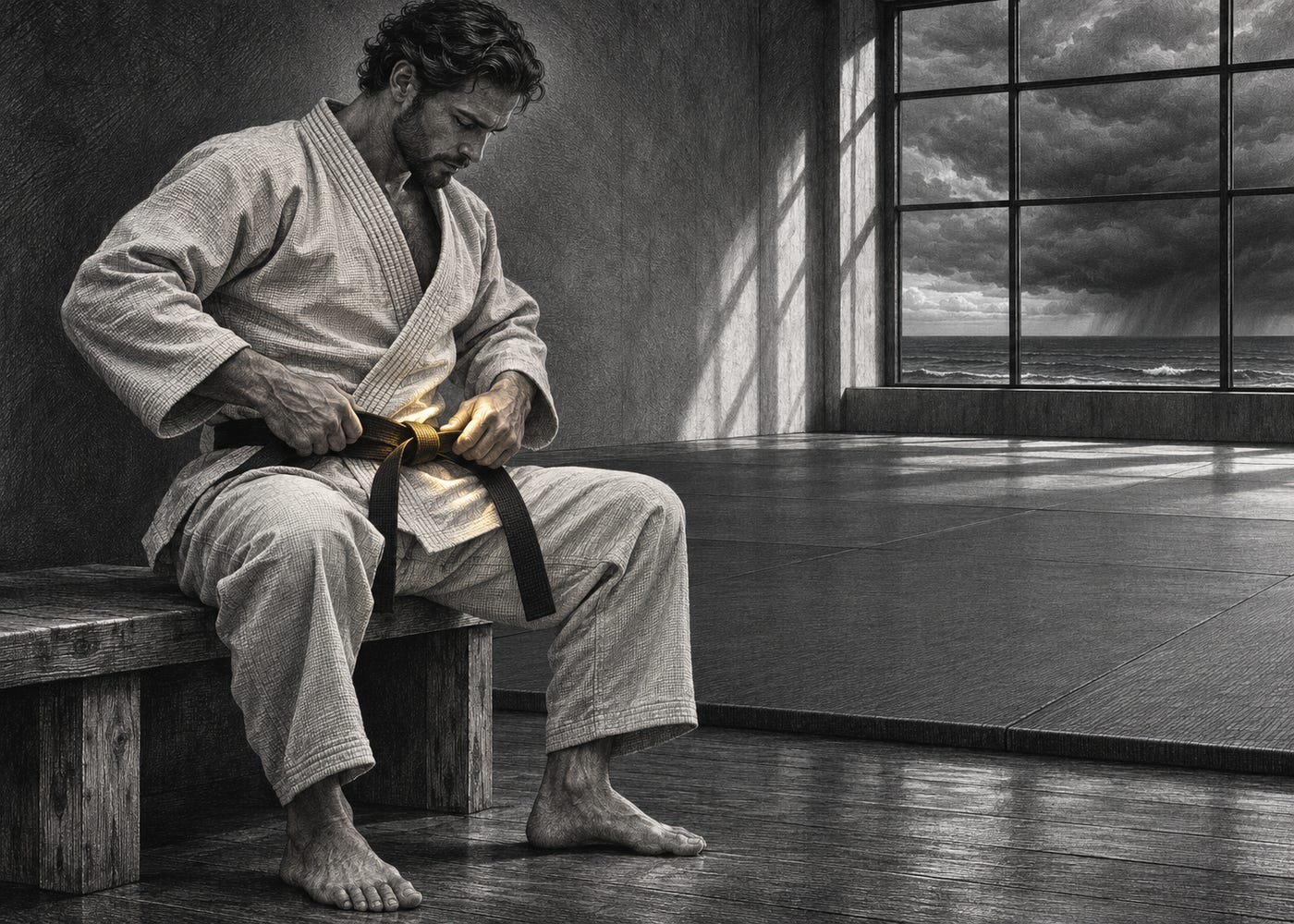
“This is so difficult. How am I going to get through this? I always do this wrong.”
This was how an athlete I was working with was speaking about what she was doing. I simply directed her to bring her mind back to the present moment, to become fully engaged with what she was doing, and to forget the what-ifs. To let go of the outcome and control what she could in the moment. And not to worry if her mind strayed, just to bring it back to full awareness of what she was doing.
We could also reframe what she would characterise as a negative outcome into something which was part of the learning process. So instead of saying, “I did this wrong,” she could say, “I did it this way and now I've learned how to do it better. Next time I will do it like this.”
I always tell my athletes, my entrepreneurs and my founders that life doesn't work in segments. Everybody likes to talk about separating the parts of life, but we're not separate beings. Of course we can change our focus and get into the zone in specific circumstances. But what we repeatedly do in our day-to-day life also deserves our attention. These are ideal moments for practising, as we will see below.
For example, entrepreneurship might require you to tolerate the ambiguities and uncertainties of setting off on an unknown path. It requires skills you don't have. It requires you to make connections with people you don't yet know and to do things that feel uncomfortable. In a physical sport, you have to tolerate aspects of exertion and intensity you might not yet be accustomed to. The preparation could still have a great deal in common. You need routines to strengthen the body. You need routines to strengthen the mind. All of this is intricately and intimately connected.
In Thursday's newsletter, I explored this through Rickson Gracie and his teacher, Orlando Cani. Today I want to bring it into practice, beginning with something which is already with us in every one of these situations: our breathing1.
Learning how much effort to give
Think of stress, for a moment, as a kind of tension. To get a graspable picture of it, gently clench your fist and then release it. Your hand can lift a weight, but it can also touch somebody's face. Both are expressions of what it can do, though you would be of very little comfort to somebody if you approached them with a clenched fist. Unfortunately, many of us have made tension, in different parts of our bodies and minds, a habit. We must learn to recognise when we are doing this, and to understand what the situation actually requires.
There is a right amount of energy to put into every activity. It is an art of life to find the right amount and to do neither too little nor too much. To know this concept is the beginning, and like all knowledge it requires understanding, practice, repetition, adjustment and discernment to know the right amount and to adjust it on a case-by-case basis.
Timing matters too. We must discern between moments and know how to act in each. Some moments require rest. Some focus. Some intensity. Some letting go. It is wisdom to distinguish between them and to find the timing for the things we desire to achieve. If all we have learned is to push, we have a great deal still to discover about our strength.
Gibran gives us a beautiful way of thinking about this:
“Your reason and your passion are the rudder and the sails of your seafaring soul.”2
To want to do great things is a powerful and wonderful thing. It gives birth to grand ambitions and helps us defeat complacency. I would never want the pursuit of composure to take that away from us. We are learning to do something with that energy.
And of course, becoming more composed takes practice. We may be nervous and still be capable of bringing our attention back to the present moment, just as I asked the athlete to do. What would this mean in a conversation? It would mean listening to what the other person is actually saying, expressing our own thoughts honestly, and participating fully even though we feel apprehensive. We should give ourselves credit for doing that. To feel nervous is not a failure; what we do while we are nervous is part of the experience we are learning from.
Breathing happens without our attention, and we can also change it deliberately3. So let us begin by becoming aware of it. As you read this, how are you breathing? Before trying to change anything, give yourself a moment to become familiar with what you are already doing.
Below, you’ll find three breathing practices, a seven-day guide and an illustrated map of how the ideas fit together.
